Picture standing in your kitchen in Elgin or washing up in a McHenry bathroom. You might wonder how well your plumbing will hold up as your home continues to age. Most houses across the Chicagoland region are more than five decades old, and copper piping was widely installed during those busy building years.
It’s natural to ask whether those copper lines are truly resistant to rust and corrosion. Lifeline Plumbing Heating & Cooling is your whole-house plumbing partner, here to walk you through what you need to know so you can plan ahead with confidence.
How Copper Pipes Resist Rust
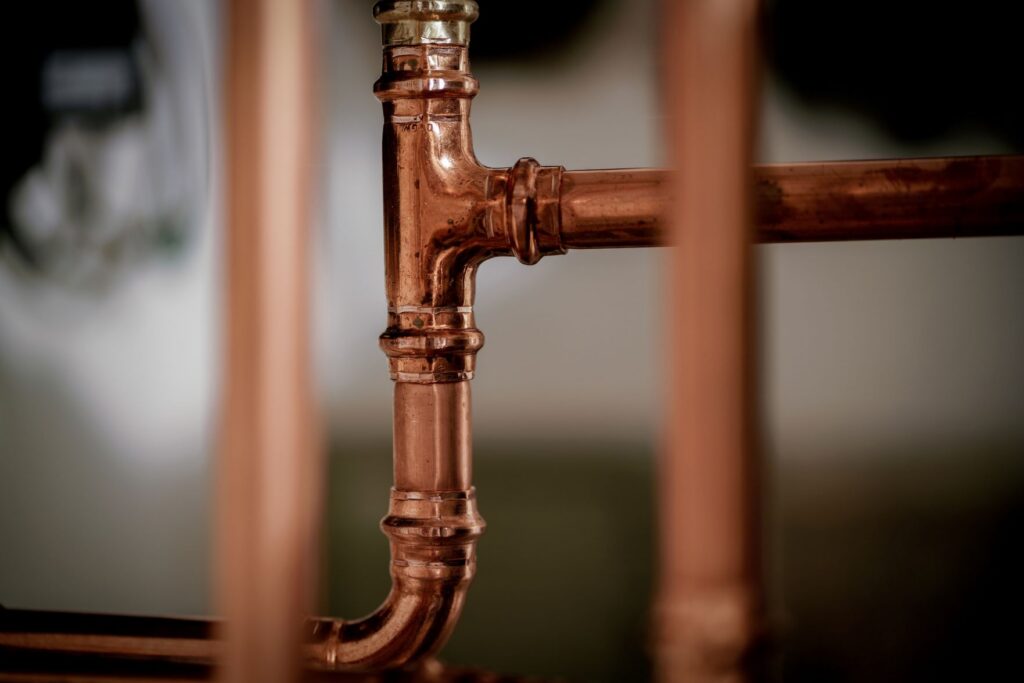
Copper has long been valued in plumbing installations for its ability to withstand moisture and maintain structural stability. When exposed to water, it forms a protective surface layer that helps slow deterioration. This makes copper a dependable choice for many Chicagoland homes that still rely on their original plumbing systems.
Benefits of copper pipes include:
- Copper is a natural oxidation barrier that shields the metal from deeper deterioration
- Copper is a non-ferrous composition that prevents traditional rust from forming
- Copper has a stable molecular structure that holds up well in varied temperatures
- Copper offers long-term durability that supports decades of reliable water flow
This combination can greatly reduce the frequency of necessary plumbing repair visits.
Copper Compared With Other Pipe Materials
Plumbing pipes made from copper perform differently than other common materials, especially when it comes to resisting corrosion. Here’s how they hold up against other types of plumbing pipes:
- Galvanized steel vs. copper: Steel often corrodes from the inside out, while copper avoids iron‑based rust.
- Copper vs. cast iron: Cast iron can flake and deteriorate as oxidation spreads, but copper maintains a stable surface layer that slows chemical wear.
- Brass vs. copper: Brass fittings may deteriorate in aggressive water, yet copper remains more resistant to this type of chemical breakdown.
- Copper vs. PEX: PEX doesn’t corrode, but it can suffer chemical degradation from certain water conditions, whereas the patina copper forms limits corrosion.
Same-day Services Available
(847) 468-0069What Causes Copper Pipe Corrosion
Even though copper is resilient, certain conditions can still cause wear. Understanding these factors helps you stay ahead of potential issues:
- Acidic water slowly eats away at the pipe surface
- High mineral content encourages buildup inside the line
- Excessive water velocity scours the interior walls
- Poor grounding allows stray electrical currents to travel through plumbing
Water Chemistry & Pipe Conditions
Water quality plays a major role in how copper ages. When chemistry shifts, your plumbing may respond in ways that aren’t immediately obvious. Ways in which water quality can impact your pipes include:
- pH imbalances accelerate surface wear
- Hardness levels contribute to mineral accumulation
- Temperature fluctuations stress copper pipe joints
- Sediment presence increases internal friction
Professional plumbing inspections and pipe evaluations keep you from having to guess about what could be occurring within your plumbing.
Signs Copper Pipes Need Repair
Knowing what to watch for helps you act quickly before small issues turn into bigger headaches.
Leaks, Discoloration & Pipe Damage
Copper pipes show clear indicators when they’re struggling and spotting them early can save you time and stress. These signs include:
- Moist spots on walls or ceilings that hint at hidden leaks
- Green or bluish staining around fittings that signal oxidation
- Brown or yellow water that suggests internal deterioration
- Visible pitting that points to advanced corrosion
Seeking leak detection and pipe repair services at the first signs of trouble keeps small issues from becoming major.
Protect Your Home Plumbing with Lifeline in Illinois
Copper pipes offer strong resistance to rust, yet they still need attention as your Chicagoland home ages. If you notice unusual water changes or suspect a leak, reaching out quickly helps prevent bigger complications.
Stay ahead of plumbing trouble with expert guidance from Lifeline Plumbing Heating & Cooling. Request service today to keep your home’s plumbing dependable.
Frequently Asked Questions
Can Copper Pipes Rust?
Copper doesn’t rust in the traditional sense because it contains no iron. Instead, it develops a protective patina that slows deterioration. If you see green or bluish marks, that’s oxidation, not rust, and it’s a sign your pipes may need attention.
What Causes Copper Pipes to Corrode?
Corrosion usually stems from water chemistry issues, such as low pH or high mineral content. Over time, these conditions can wear down the interior surface and lead to leaks or discoloration. Regular monitoring helps you stay ahead of developing problems.
When Do Copper Pipes Need Repair?
Copper pipes need repair when you notice leaks, staining, or changes in water color. These symptoms often indicate internal wear that shouldn’t be ignored.